A premium digital experience for a premium stone brand

Custom website, UX design, SEO, Social Media Ads
Splendour in Stone partnered with Hackd Growth to create a high end digital experience that matched the quality of their stone products and project work. The goal was to build a modern website that felt premium, loaded fast, guided enquiries clearly, and gave customers a better way to explore finishes and surfaces online. We designed and developed a custom website experience with a strong focus on UX, visual polish, and conversion flow. The build included a clean product and project structure, responsive layouts across mobile, tablet and desktop, enquiry pathways, and technical foundations set up for long term SEO growth. A key part of the project was integrating an interactive 3D visualiser, allowing users to explore products in a more immersive way and helping Splendour in Stone stand out in a traditionally static category.

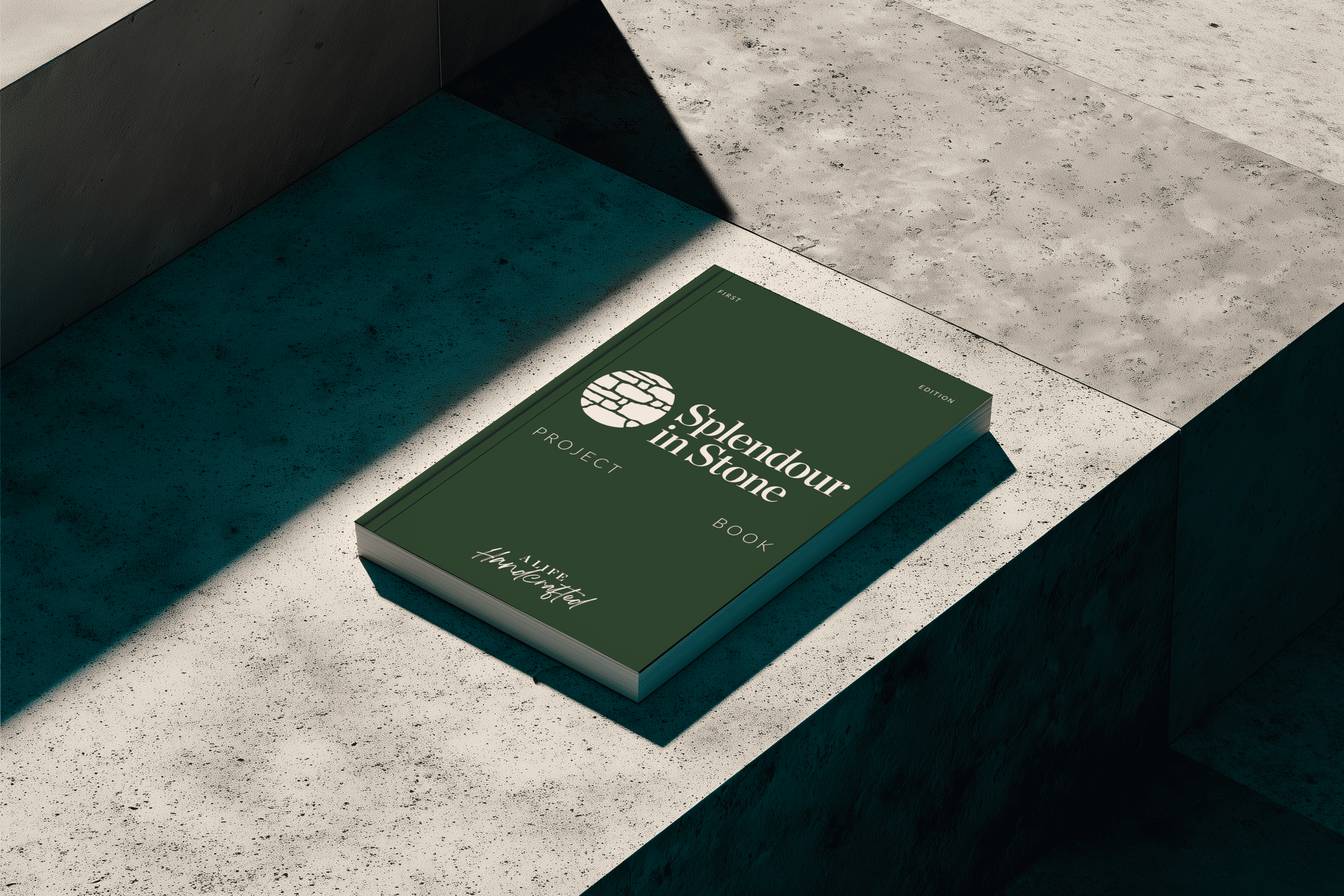

Built to impress visually and convert with confidence
Hackd Growth delivered a polished digital platform that helped position Splendour in Stone as a modern leader in premium stone surfaces. From the UX and visual direction to the custom development and interactive 3D experience, every part of the build was designed to strengthen trust and improve the customer journey. The final result is a scalable website that supports product discovery, showcases project quality, and makes it easier for customers, designers, and builders to enquire with confidence. It is not just a better looking website. It is a stronger sales and brand asset for long term growth.

Splendour In Stone/ Site Audit Report
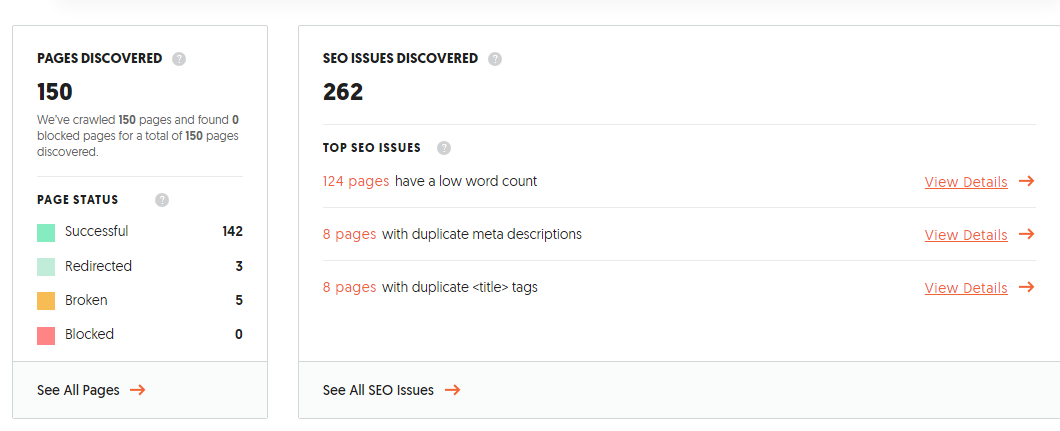
SplendourInStone.com.au currently faces several challenges in Search Engine Optimization (SEO) that are impacting its ability to effectively reach and engage its target audience. Key areas of concern include:
- Product Pages Optimization: The product pages exhibit 'thin content', lacking in-depth descriptions and keyword integration. This not only affects the user experience but also diminishes the pages' ability to rank well in search engines.
- Local SEO Deficiencies: The absence of geo-targeting keywords limits the website's visibility in local search results. For a business that can benefit from local traffic, this is a significant shortcoming.
- Content Marketing and Blog Presence: There is a notable absence of a content marketing strategy, particularly the lack of a blog. Blogs are instrumental in driving organic traffic, improving SEO, and establishing authority in the industry.
- Social Media Presence: The website's social media footprint is minimal, which is a missed opportunity for enhancing brand visibility, engaging with the audience, and driving traffic to the site.
- Technical SEO Issues: The site faces technical SEO challenges including duplicate meta descriptions, meta titles, and a poor domain authority. Additionally, many pages lack meta descriptions, further impacting their SERP performance.
Objective
The primary objective of this SEO audit is to identify and address these challenges to enhance SplendourInStone.com.au’s online visibility, improve its search engine rankings, and drive organic traffic to the site. This involves a comprehensive strategy encompassing on-page optimization, content development, local SEO tactics, social media engagement, and technical SEO improvements.
The end goal is to transform SplendourInStone.com.au into a robust, SEO-optimised e-commerce platform that not only attracts a larger audience but also provides a user-friendly experience that encourages engagement and conversions.
By systematically addressing each area of concern, SplendourInStone.com.au can expect to see a significant improvement in its online presence, a stronger brand reputation, and an increase in both traffic and sales.
Remember, web pages that achieve the #1 result see a CTR of over 30%. Web pages below the 6th result get a negligible amount of clicks.
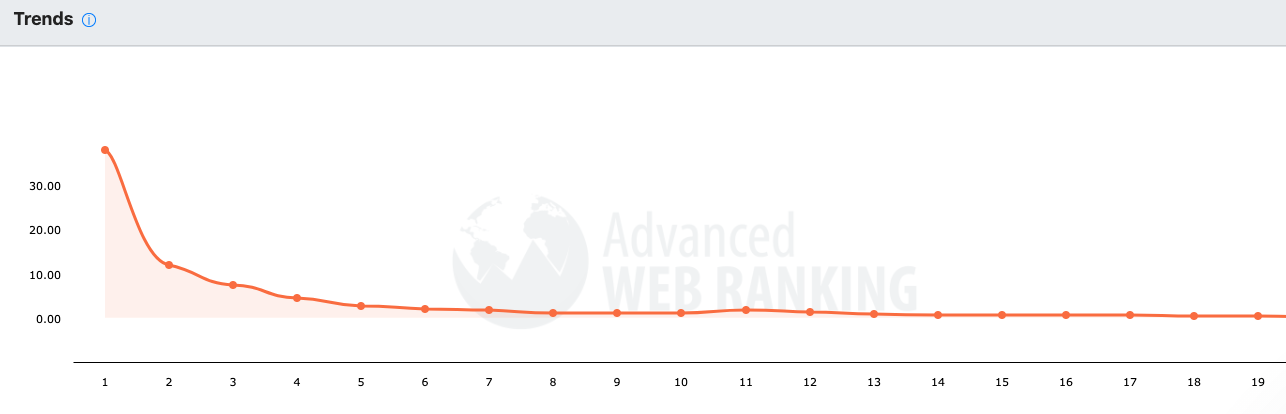
And if you’re on the 2nd page, you may as well not exist.
In this report, we will look at the current snapshot of your SEO standing, analyse how well your site performs across a range of ranking factors and give you a top-level score and actionable recommendations of prioritised SEO fixes.
We’ve split the audit into three larger steps:
- Technical SEO audit
- Content audit
- Off-page SEO audit
Why Is This E-commerce SEO Audit Important?
For ecommerce sites, SEO is often a matter of survival. While other companies may treat SEO as just one of the many touchpoints in a user journey, ecommerce sites may well rely on organic traffic as their only sustainable source of revenue.
As such, it’s crucial to make sure your ecommerce site is as optimised for search engines as it can possibly be.
You can build your store on one of the best e-commerce platforms around, make it look like a million dollars, and create enticing descriptions. However, if you want your store to reach peak performance, your SEO needs to be ship-shape too.
This ecommerce SEO audit is important for many reasons such as:
- Increased traffic: By optimising your site for search engines, you can rank higher in search results and attract more visitors.
- Improved conversion rates: By making your website more visible to potential customers, you’re more likely to convert them into paying customers.
- Competitive advantage: E-commerce SEO can give you a major competitive edge over other businesses in your industry and keep you ahead of the curve.
- Lower marketing costs: E-commerce SEO can also help you save money on marketing costs if you’re on a tight budget. By ranking higher in search results, you can get more exposure without having to pay for ads or other marketing campaigns.
- Improved ROI: With a higher return on investment, e-commerce SEO can be a valuable investment for your business.
A. Technical SEO Audit
Technical SEO is a major pillar of SEO success for most sites, but perhaps nowhere is it as vital as for ecommerce companies.
Because of their dynamic nature and complex site structure, ecommerce sites face unique challenges in making sure they’re crawlable and indexable.
While performing the technical ecommerce SEO audit, we have addressed the following elements on Splendour In Stone.
1. XML sitemaps
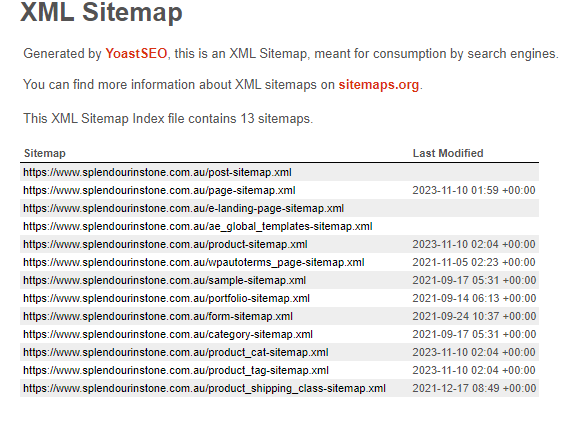
Your XML sitemap ensures that search engines have a good reference map for your entire site, knowing which of your subdirectories and pages to crawl.
We found that your ecommerce site has a valid XML sitemap and that it:
- Contains only the main canonical versions of your URLs and that these are “clean” and don’t contain any URL parameters.
- Only lists URLs you actually want indexed, making sure that these don’t have “noindex” meta tags and aren’t blocked by robots.txt.
- Is set to be automatically updated as pages are added or deleted from your site.
2. Robots.txt file
The “robots.txt” file tells search engines what parts of your site the search engines are allowed to crawl.
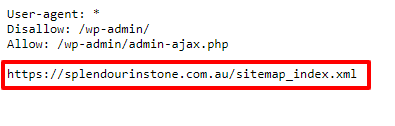
We can confirm that you have one placed under “Splendourinstone.com.au/robots.txt”

The file it’s not accidentally blocking the crawlers from accessing any parts of your site you actually want indexed.
It’s also a good idea to add your sitemap location in the robots.txt file to help crawlers discover it. You can do so by adding the following line at the bottom of the file and we can see it added:
“Sitemap: https://www.yoursite.com/sitemap.xml”
Ecommerce sites tend to have a high volume of pages, subdirectories and subdomains. As such, it becomes important to control your crawl budget, which refers to the amount of pages Google will crawl on your site within a certain time period.
As part of your SEO audit, consult the “Crawl stats” in your Google Search Console. If you see a big discrepancy between the amount of pages discovered and crawled, you may be hitting your crawl budget. Use the robots.txt file to block irrelevant parts of the site and ensure you’re allocating your crawl budget to the important pages.
3. Response codes
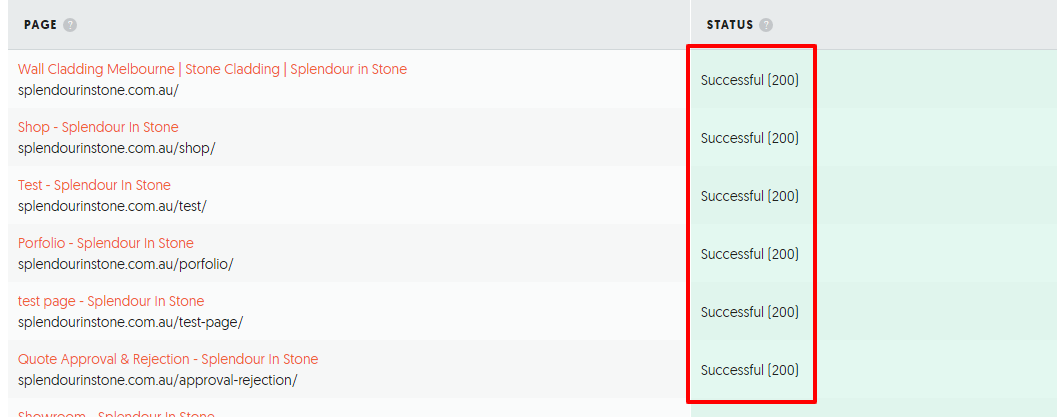
We also checked the response codes your pages are returning. Ideally, most of your pages returned a 200 response code, which means they’re present and visible to search engines.
We scanned 1195 URLs and found 1188 links to be OK.
However, there were seven 404 errors that we found during the scan as below.
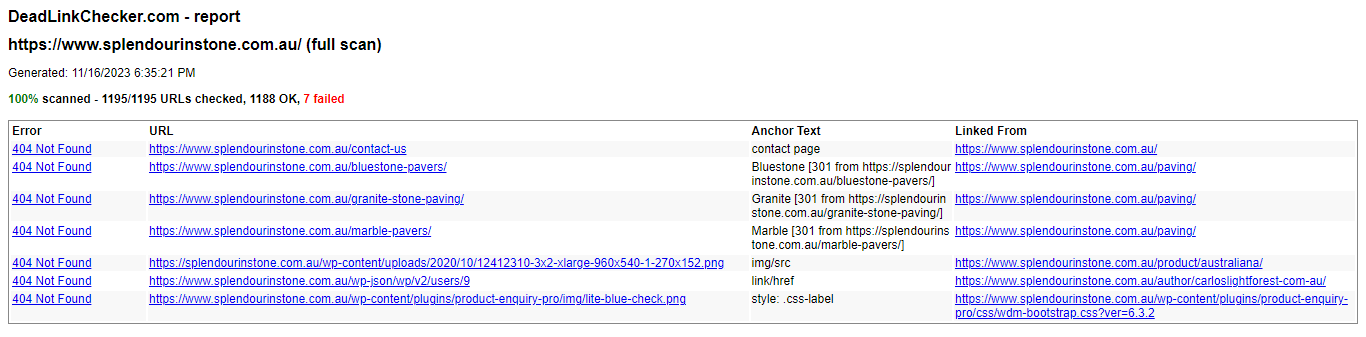
Usually, you should address any broken pages with a 4xx response code. If these pages are misspelt while being linked to, you should fix the links to point to the right URLs. If the pages are no longer relevant, you should remove any links pointing to them to avoid generating 4xx errors.
4. Canonicals
A common feature of ecommerce websites is having the same products existing at multiple URLs due to being listed in different parts of the site, belonging to more than one product category, etc.
Ecommerce sites also make use of sorting options that generate multiples of the same URL with different parameters. This can lead to duplicate content and make it difficult for search engines to identify the “master” page.
This is where canonical tags enter the picture. Getting the canonical setup right is critical for ecommerce sites.
We looked through your product pages and found that:
- Original versions of a page have a self-referencing canonical tag, which flags them as the URL you want indexed.
- Every alternate version of a page has a canonical tag pointing to the original version of that page.
- Your canonical tags only point to indexable URLs.
- No page has more than one canonical tag, as this prevents Google from knowing which of them is correct.

5. Pagination
For ecommerce sites, pagination plays an important role in splitting long category pages into manageable chunks of e.g. 100 products at a time. You might have a category page like “yoursite/category” displaying the first 100 products, followed by “yoursite/category?page=2” for the next 100 products, and so on.
This actually helps search engine bots discover and crawl the paginated pages from the main category.
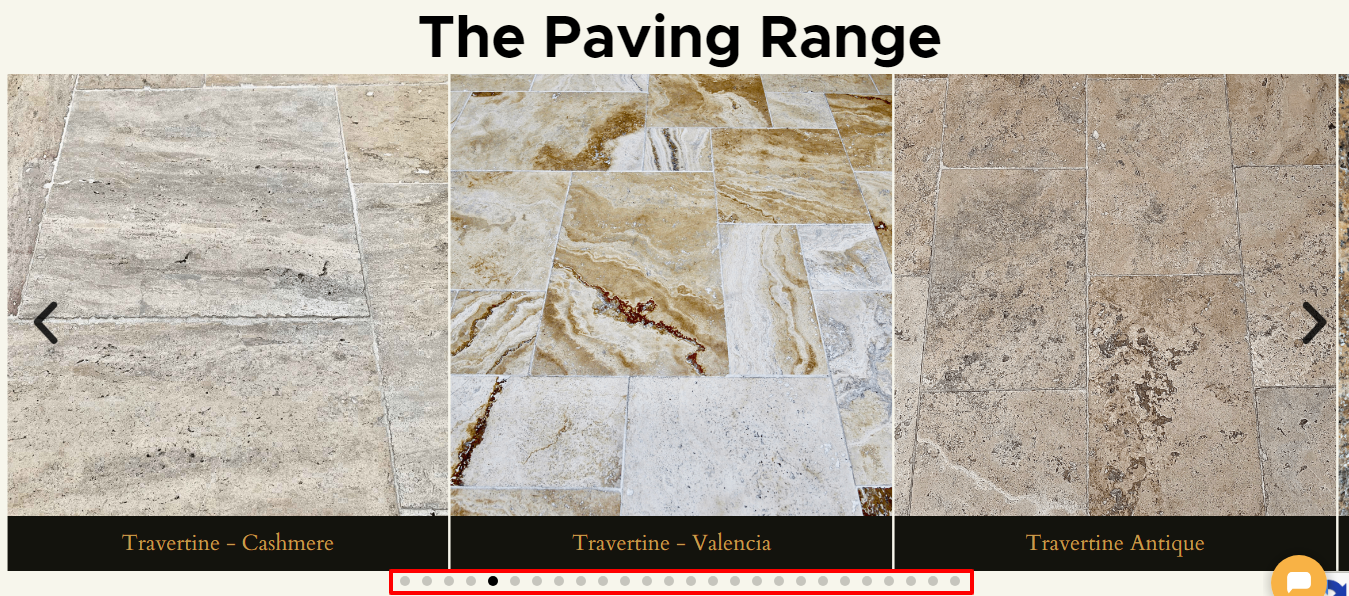
For Splendour In Stone, we noticed that you’re using carousels instead of pagination which could be an issue when Google robots crawl your site.
Remember, you don’t want paginated pages to have “noindex” tags or canonical tags pointing to the main category page. This could lead to search engines ignoring these pages buried deeper in your architecture, which would affect the visibility of large sections of your site.
6. Navigation and crawl depth
Navigational elements play a key role for ecommerce sites. They help visitors quickly identify and go to the relevant product categories.

We found that your navigation menu contains all the most important pages and categories. It only includes indexable and crawlable pages, therefore search engines can actively use your navigation to discover them.
Another consideration is the crawl depth of your key pages. As a rule of thumb, it shouldn’t take more than four clicks for people to reach these from your site’s homepage. If they’re buried deeper than that, look for a way to include them in your navigation or link to them from higher-level category pages. But this is not an issue with your website.
Despite having good navigation, the contact number and available opening hours need to be displayed on the top bar when the website visitor is anywhere on the page. This is currently displayed on the homepage but not product pages and other important landing pages.
7. Site search
Site search is almost universally used on ecommerce sites. It lets site visitors type in their desired keywords to find relevant products.

During our audit, we found that your internal search engine works as intended and returns the right URLs. However, it only exists on the homepage and not other pages. This creates a bad user experience, which in itself is an indirect SEO signal.

While site search is great from a user experience perspective, it can also negatively affect your SEO if not carefully managed. When users perform a search on your site, they’ll generate unique URLs with the entered search parameters. If these URLs are indexable, you’ll eat into your crawl budget by having a high volume of irrelevant pages for search engines to look through.
This can be fixed by making search pages non-indexable and blocking them in your robots.txt file.
8. Page speed
Slow loading pages will eventually suffer an organic ranking penalty. In the case of ecommerce sites, they’re also a conversion killer. Therefore, reducing the loading time of your pages is one of your highest priorities.
In your ecommerce SEO audit, we checked how quickly your pages load. To simplify the process, we tested a few representative URLs for each of the different templates your site uses – homepage, product page, category page and so on.
Here’s how fast your website s on desktop devices:

And here’s how it fares on mobile devices:
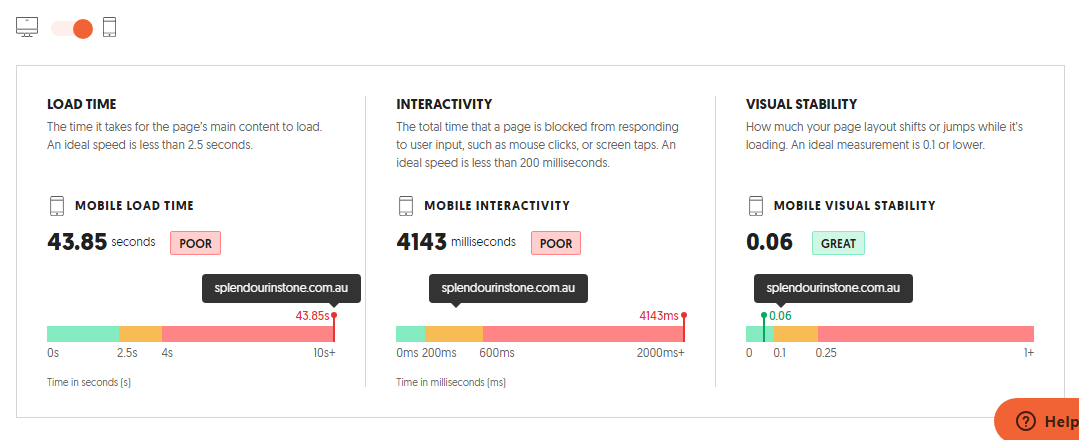
Because ecommerce sites often serve multiple photos of each product, optimising images will usually be a key element of improving page speed. Consider caching your images and lazy loading them, i.e. only loading them once the user scrolls down to see them.
Looking at the results above, your site page speed is very poor thus needs improving.
B. e-Commerce Content Audit
Once technical SEO is taken care of, it’s time to review the actual content on your ecommerce site.
1. Meta titles and meta descriptions
1. Meta titles

These will appear in the SERP snippet and are often the first impression a user will have about your site. They should therefore be unique for each product page and entice the user to click through to your site.
- Current State: There are instances of duplicate meta descriptions and titles across multiple pages on the website.
- Impact: Duplicate meta tags can confuse search engines about which page to prioritise for certain queries. This can lead to lower rankings and reduced visibility in SERPs.
During our audit, we checked and found out that your meta titles stay within the character limit (50-60 characters). This ensures that search engines can display them in full. However, there are 8 duplicate meta titles on the website.
Recommendations
- Be Concise and Descriptive: Keep your titles under 60 characters to ensure they display fully in SERPs. They should accurately describe the content of the page.
- Incorporate Primary Keywords: Use relevant, high-value keywords near the beginning of the title. This improves visibility for those searching for those terms.
- Brand Inclusion: Include the name 'Splendour In Stone' in the title, preferably towards the end, to build brand recognition.
- Uniqueness for Each Page: Every page should have a unique meta title that reflects its specific content. Avoid generic or duplicated titles across pages.
- Engaging and Compelling: Write titles that grab attention and encourage clicks. Use actionable language or pose questions where appropriate.
2. Meta descriptions

- Current State: A significant number of pages lack meta descriptions. Meta descriptions play a crucial role in informing search engine crawlers and users about the content of the page.
- Impact: Absence of meta descriptions can lead to poor click-through rates as users in SERPs do not get a clear, compelling preview of the page content.
8 pages the only 8 pages with meta descriptions consist of duplicate ones.
Recommendations
- Improve Meta Tag Uniqueness: Ensure each page has a unique and relevant meta title and description. This will help in clearly defining each page’s content and purpose, improving relevance in search results.
- Length: Aim for a length of about 155–160 characters. This is typically the maximum that will display in SERPs without being cut off.
- Keyword Rich: Include relevant keywords naturally within the description. This can increase the relevance of your page to search queries.
- Value Proposition: Clearly communicate the value or unique selling points of the page. Why should someone visit this page? What can they expect to find?
- Call to Action (CTA): Encourage users to take action, such as “Discover more”, “Shop now”, or “Learn more”.
- Readability: Write in a clear, engaging manner. Avoid over-stuffing keywords which can make the description difficult to read and may deter users.
2. Duplicate content
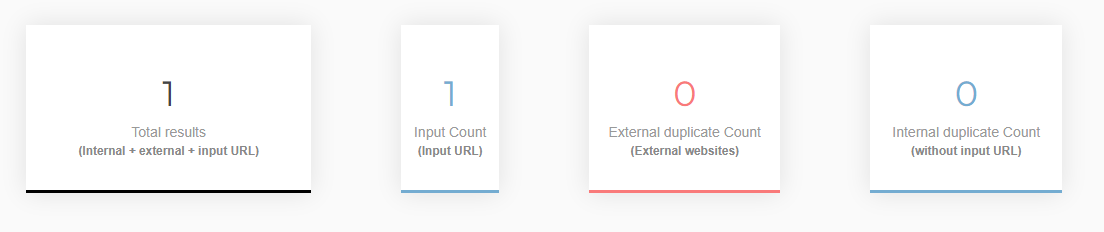
Ecommerce sites are especially prone to duplicate content issues. Much of it is due to the multiple instances of the same product pages. In addition, retail sites will often reuse the manufacturer’s product descriptions in their listings, leading to further content duplication.
The initial technical SEO audit should take care of many duplicate content issues through the use of canonicals, “noindex” tags, robots.txt rules and so on. But your content itself can further differentiate your canonical pages by including rich, unique elements like FAQ sections, product reviews, shopping guides and so on.
No duplicate content was found during our review.
3. Broken links
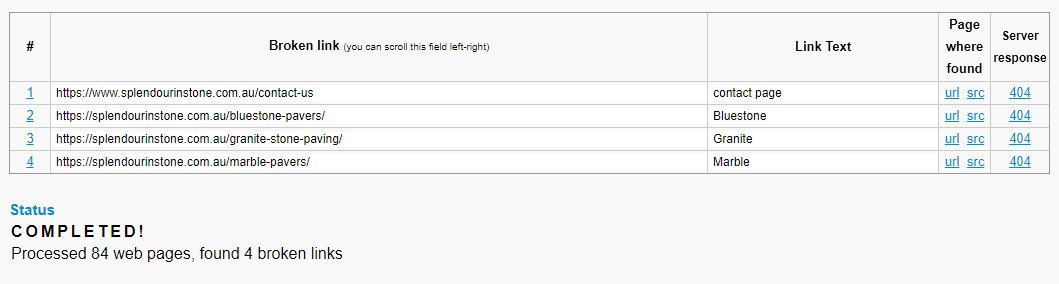
Broken links on a website can significantly hinder its user experience and SEO performance. When visitors encounter a broken link, it not only disrupts their browsing experience but can also negatively impact their perception of the site. Furthermore, search engines view broken links as a sign of a poorly maintained site, which can adversely affect its ranking.
Current State of SplendourInStone.com.au
- Pages Scanned: Out of the 84 pages scanned on SplendourInStone.com.au, 4 were found to contain broken links.
- Type of Broken Links: It's important to identify whether these broken links are internal (links to other pages within the site) or external (links to other websites).
- Impact on User Experience: Users encountering these broken links are likely to experience frustration and may leave the site, increasing the bounce rate.
- Impact on SEO: Search engines crawling the site will note these broken links, potentially lowering the site's search rankings due to perceived neglect or poor maintenance.
Recommendations
Identify and Fix Broken Links:
- Use tools like Google Search Console, Ahrefs, or Screaming Frog SEO Spider to identify broken links.
- Once identified, either fix these links by pointing them to the correct URLs or remove them if they are no longer relevant.
Regularly Monitor for Broken Links:
- Implement a regular schedule for scanning the website for broken links. This can be monthly or quarterly, depending on the size and dynamism of the website.
Update Content with Broken External Links:
- For external links, check if the linked content has moved to a new URL. If so, update the link accordingly.
- If the external content no longer exists, consider replacing it with a link to a similar resource, or remove the link altogether.
Redirect Broken Internal Links:
- If the broken link is internal and the page it refers to has been moved or deleted, set up a 301 redirect to the most relevant existing page.
- This helps in retaining the link equity and guiding users and search engines to an appropriate page.
Enhance the 404 Page:
- Create a user-friendly 404 error page that guides visitors back to the main site, offering links to popular or relevant content. This can mitigate the negative impact of any broken links that might have been missed.
Backlink Audit:
- Conduct a backlink audit to ensure external sites linking to you are not pointing to broken pages on your site. Reach out to the owners of these external sites to update their links if necessary.
As for internal links, we did not find a significant amount of keyword rich internal linking throughout the site, which is a big issue! There’s completely zeo internal linking that has been done on your website.

You can reduce your site’s bounce rate by increasing internal linking. This helps you rank higher and ensures users spend more time browsing your store.
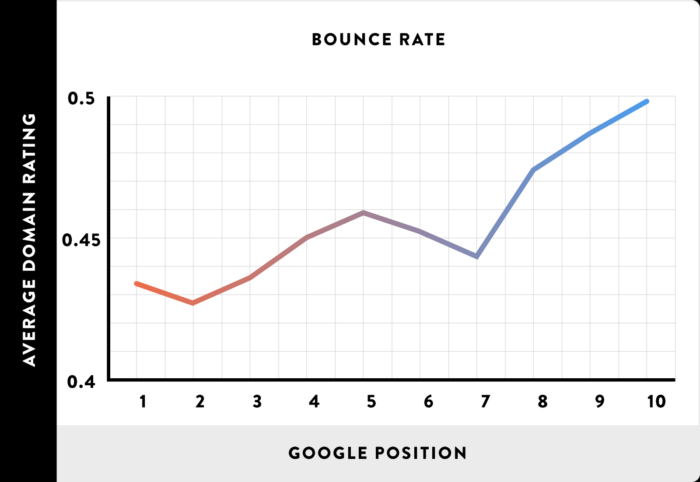
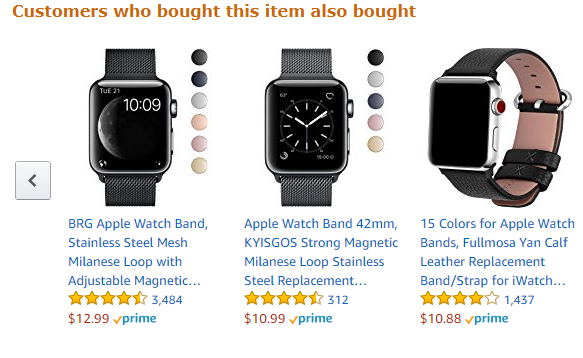
Use internal links to suggest related products or products that other users bought to drive more relevant sales and better your site structure:
Here’s an example from Amazon:
5. Content quality and brand compliance
This step is about making sure your site provides visitors with unique and useful on-page content.
During our audit, we managed to flag a lot of “thin” content that doesn’t add any real value, pages with poor readability, or misspelt content that comes off as unprofessional.
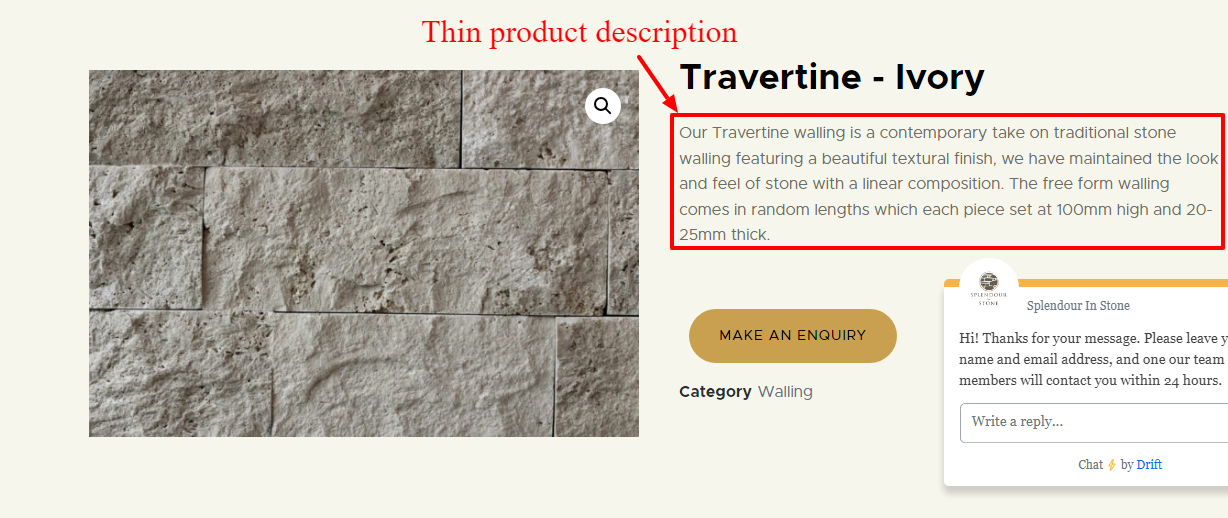
We noticed that you have product pages and or products without proper product descriptions that could help the visitor to know the product in detail. We realised that this is impacting your rankings and the number of keywords your website can rank for.

If you want your store to rank higher and get more organic traffic, then you must optimise your product pages for both search engines and users.
Here are a few tips on optimising your product pages for e-commerce SEO:
- Use keyword-rich titles and descriptions: The title and description of your product page should include relevant keywords that describe your product, helping search engines understand what your page and organic searchers to get started. For keywords, use a tool like Ubersuggest.
- Optimize your images: Include alt text for easier indexing, and to improve accessibility.
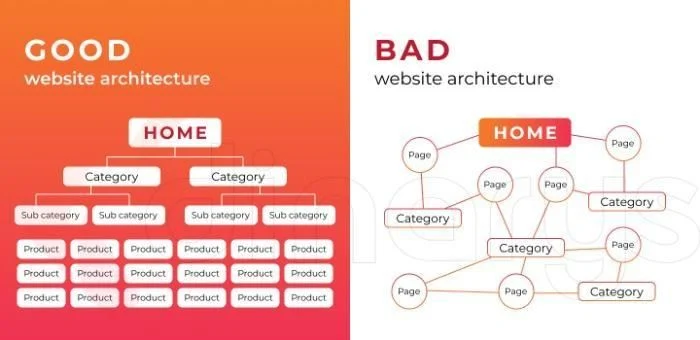
- Keep your product page structure simple and logical: For instance, group items in categories and then in subcategories, like in this example:
- Write detailed meta descriptions and include keywords: This is the first thing your leads see, so ensure each meta is descriptive and enticing.
- Use pricing strategies to your advantage: Offer discounts, free shipping, etc., and promote these offers on social media. Use promotional tools like coupons and special offers to drive traffic to your listing.
At the same time, you need to ensure that your content reflects your brand and uses appropriate terminology and tone of voice. You want visitors to have a consistent brand experience on all pages of your site.
We noticed that content for products you have don't explain in great detail where it's sourced from or provide a good description of the product offered
Products should showcase other customers builds like this on their Facebook with those products so they can see a finished product example
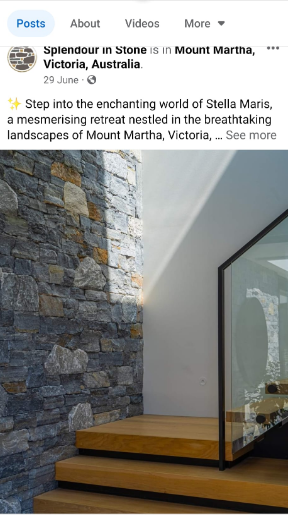
All examples of it installed should be available for the website visitor on the product.
To add, we recommend that after a customer enquiry for a product, you need to create a call back service with a time slot for availability to the customer and estimated project spend (budget) the customer has for the build.
For better customer experience, you need to have content that explains the process or the timeline the customer can expect to have it completed (needs SEO content) since you offer supply and installation packages.
6. Content Strategy for SplendourInStone.com.au
The absence of a blog on SplendourInStone.com.au represents a significant missed opportunity in its digital marketing and SEO strategy. A well-crafted blog can drive organic traffic, boost SEO, establish industry authority, and create meaningful engagement with the target audience.
Blog content also helps keep your social media presence going.
Instead of creating brand new content for social media (or creating that content yourself), your blog can serve as that repository of content.
You're strengthening your social reach with blog content and driving new website visitors to your blog via your social channels. Quite a symbiotic relationship, I must say.
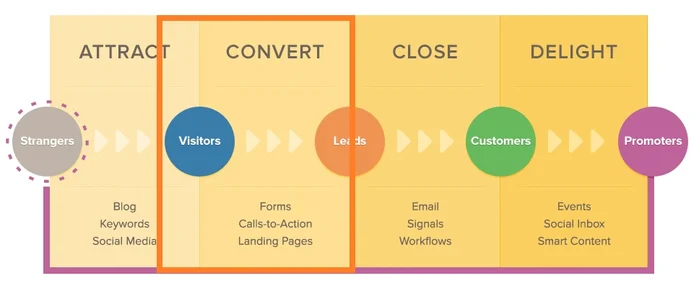
If you have some traffic coming to your site through your blog, you have an opportunity to convert that website traffic into leads.
Like every blog post you write is another indexed page, each post is a new opportunity to generate new leads.
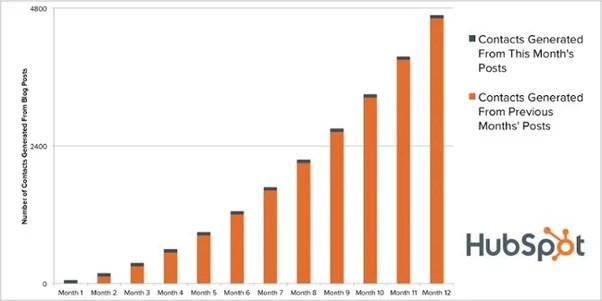
The way this works is straightforward: Just add a lead-generating call-to-action to every blog post. For days, weeks, months, and years to come, you can continue to get traffic from that blog post. So while it may feel like day one or bust, in reality, blogging acts more like this:
Strategic Objectives
- Drive Organic Traffic: Use the blog to attract visitors through search engines by targeting relevant keywords.
- Enhance SEO: Regular, quality blog content can improve the site's ranking for a broader range of keywords.
- Build Brand Authority and Trust: Share industry insights, trends, and valuable information to establish Splendour In Stone as a thought leader in its niche.
- Engage and Educate Customers: Use the blog to educate customers about the products, their uses, and the industry, fostering a deeper connection with the brand.
The effort you put in yesterday can turn into hundreds of thousands of views and leads in the future.
When it comes to blogging, most of your sales will likely come from your older articles. According to HubSpot, more than half of the traffic generated each month comes from posts published in previous months. They come from old posts.
The same goes for the leads generated in a current month — about 90% of the leads we generate every month come from blog posts published in previous months. Sometimes years ago.
We call these types of blog posts "compounding" posts. Not every blog post will fit into this category, but the more evergreen blog posts you write, the more likely it is that you'll land on one of those compounding blog posts. 1 in every ten blog posts end up being compounding blog posts.

Detailed Content Strategy
Content Planning and Research:
- Keyword Research: Identify keywords and phrases that potential customers are searching for, related to Splendour In Stone's products and industry.
- Audience Analysis: Understand the interests, needs, and pain points of the target audience to tailor content accordingly.
- Competitor Analysis: Review competitors' blogs to identify gaps and opportunities for unique content.
Content Creation:
- Diverse Content Types: Include a mix of how-to guides, industry news, product usage tips, case studies, and thought leadership articles.
- Quality and Originality: Ensure all content is high-quality, informative, and original. Avoid overly promotional language.
- SEO Optimization: Incorporate targeted keywords naturally, optimise headings and subheadings, and use internal linking strategies.
Content Calendar:
- Regular Posting Schedule: Establish a consistent posting schedule, such as weekly or bi-weekly, to keep the audience engaged and improve SEO.
- Seasonal and Trending Topics: Include content relevant to current trends, seasons, and industry developments.
Multimedia Integration:
- Images and Videos: Use high-quality images and videos to make the content more engaging and shareable.
- Infographics: Create infographics to visually represent data or processes related to the products or industry.
Promotion and Distribution:
- Social Media Sharing: Share blog content across social media platforms to drive traffic and engagement.
- Email Marketing: Include blog highlights or links in newsletters or email campaigns to subscribers.
- Collaborations: Collaborate with influencers or industry bloggers to expand reach and credibility.
Engagement and Interaction:
- Encourage Comments and Feedback: End posts with a call-to-action encouraging comments or questions.
- Respond to Comments: Actively engage with readers in the comments section to build a community.
Performance Monitoring and Analysis:
- Analytics: Use tools like Google Analytics to track the performance of blog content, monitoring metrics such as page views, time spent on page, and bounce rate.
- Adjustments Based on Insights: Continuously refine the strategy based on analytics insights and feedback.
Long-term Growth:
- Evergreen Content: Create content that remains relevant over time to drive continuous traffic.
- Content Updating: Regularly update older posts with new information to keep them relevant and improve rankings.
By implementing this detailed content strategy, SplendourInStone.com.au can significantly enhance its digital presence, attract and engage a broader audience, and strengthen its position in the market. The blog will serve as a valuable tool for both marketing and customer education, laying a strong foundation for long-term success.
7. Keyword targeting and content cannibalisation
Keyword targeting can get tricky on ecommerce sites, since multiple products often belong to the same overall category and rank for similar terms. To the extent possible, try to differentiate your product pages so that they aren’t competing with each other for the same searches for keywords.
You can often achieve this by using unique, long-tail descriptors for each product page.
Keyword cannibalization occurs when two or more web pages on your website target the same keywords, causing them to compete against each other in search engine rankings. This can negatively impact your website’s overall SEO performance and lead to lower rankings for both pages.
8. Structured data
Using structured data can be extremely valuable for ecommerce sites. It tells crawlers exactly which elements on your page fit a predefined taxonomy. This helps Google and other search engines better understand your on-page content and to generate rich SERP snippets for your products.
Using the schema markup is the best way to achieve this. For ecommerce sites, the most relevant markups are:
- Product, which helps to pull relevant details into a rich Google snippet
- Breadcrumb, which helps place individual product pages in the broader context of your site’s hierarchy.
Ecommerce off-page SEO audit
The final step of the audit goes beyond the site itself and looks at its backlink profile.
1. Backlinks
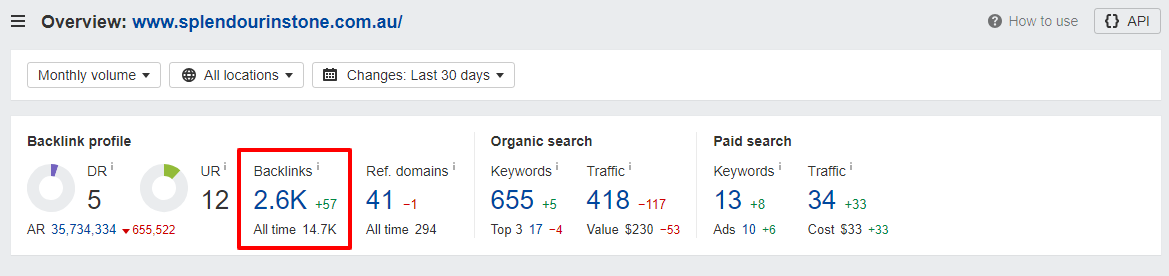
- Current State: The website has 2,600 backlinks from 41 referring domains. While the quantity of backlinks is substantial, the limited number of referring domains suggests a lack of diversity in the site’s backlink profile.
- Dofollow Links: The predominance of dofollow links, while generally beneficial for SEO, indicates a need for a more balanced profile that includes nofollow links as well.
- Impact: Search engines favour websites with a diverse range of backlinks from numerous reputable sources. The current backlink profile could be perceived as unvaried and less trustworthy.
Having a high number of trustworthy external domains pointing to your site tends to increase its authority and gives it a ranking boost.
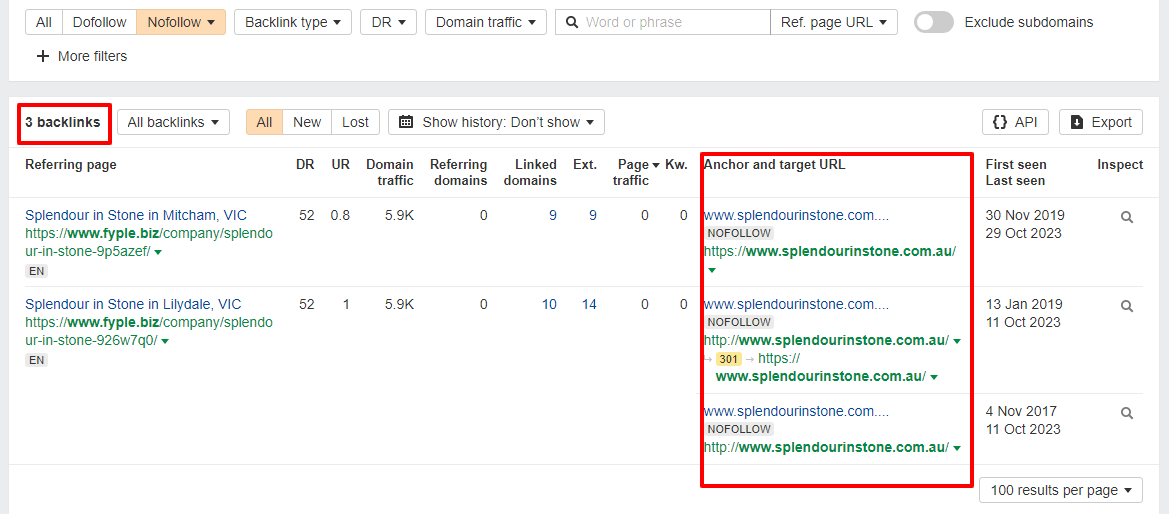
We found 2600 backlinks coming from referring domains. 3 out of the 2.6K are NoFollow meaning that they don’t bring any link juice to Splendour In Stone.
2. Referring Domains
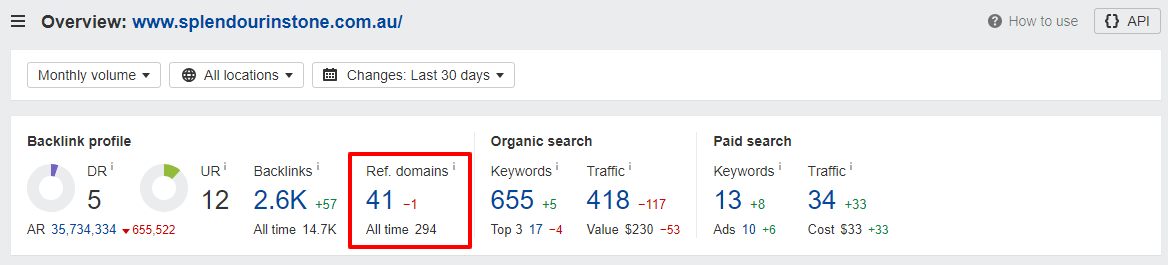
We found 41 linking root domains pointing into Splendour In Stone with just 1 being NoFllow. This reveals some interesting insights and opportunities for improvement in its SEO strategy:
Having backlinks from 41 distinct root domains is a positive indicator. It shows a certain level of recognition and reach in the digital space. Each of these domains acts as a separate vote of confidence in the eyes of search engines, potentially boosting the site's credibility.
The fact that only one of these links is a nofollow link is quite notable. Dofollow links are crucial for passing on link equity (or "link juice") and can significantly impact a site's search engine rankings. However, a natural and trustworthy backlink profile typically includes a mix of both dofollow and nofollow links.
Opportunities and Recommendations
- Increasing Nofollow Links for Balance: A backlink profile that heavily favours dofollow links over nofollow ones may sometimes be viewed with scepticism by search engines, as it can appear unnatural. It's beneficial to seek a more balanced ratio by encouraging nofollow links as well. Nofollow links, often generated from forums, comments, and certain directories, can still drive traffic and lend credibility to the site.
- Diversification of Backlink Sources: While having 41 linking root domains is a good start, further diversification is crucial. This means acquiring links from a greater variety of sources, including industry blogs, news websites, and other authoritative domains. Such diversification not only strengthens the site's SEO but also widens its exposure to different audiences.
- Quality over Quantity: The focus should also be on the quality of the linking domains. Links from high-authority, reputable sites in relevant industries are more beneficial than numerous links from lesser-known, possibly unrelated sites.
- Monitor and Manage Backlink Profile: Regular monitoring of the backlink profile is essential. This helps in identifying and disavowing any potentially harmful links that could negatively impact the site’s SEO performance.
- Leverage for Content Marketing: The existing backlinks can be analysed to understand what type of content is most effective in gaining links. This insight can guide future content marketing efforts to produce more link-worthy content.
While Splendour In Stone has a decent start with its current backlink profile, there is room for improvement in terms of diversification and balancing the types of links. By strategically addressing these areas, the site can enhance its SEO performance and online authority.
You can redistribute some of your backlink power to help the rest of your pages rank better. You do this by adding internal links from pages that have many backlinks to other key pages you’d like to improve.
3. Domain Rating
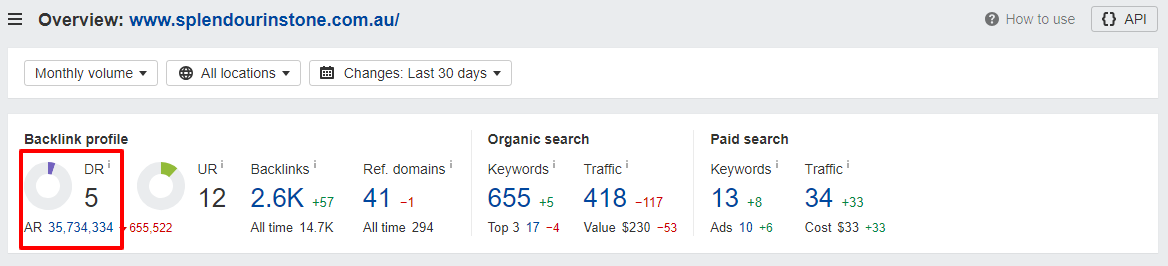
- Current State: SplendourInStone.com.au has a domain rating of 5, which is relatively low. This rating is a metric that indicates the website’s authority and trustworthiness in the eyes of search engines, based on the quantity and quality of backlinks.
- Impact: A low domain rating can significantly limit the website's visibility in search engine results pages (SERPs) and its ability to compete with more authoritative sites in its niche.
The Domain Rating is usually on a 100-point scale, with any site above 40 is considered a fairly good quality site, and sites above 70 are considered truly high quality. Ahrefs, mozRank, and mozTrust are very like Google’s PageRank, and serve to measure the distance of your site from trusted and authoritative websites.
SplendourInStone.com.au is way below average in terms of trust and authority with a domain rating of 5.
4. Negative SEO
In rare cases, backlinks can backfire. If your site receives a high proportion of so-called “toxic” links from untrustworthy or harmful sites, it can negatively impact your organic ranking.
Should your SEO audit identify such toxic links, you can use the dedicated Disavow tool to proactively tell Google that you don’t want your site to be associated with these external sources.
Conclusion
In conclusion, thIs audit reveals several key areas for improvement that, if addressed effectively, can significantly enhance the website's online visibility, search engine rankings, and user engagement.
The audit identified crucial aspects such as the need for enhanced content on product pages, the implementation of local SEO strategies, the development of a robust content marketing plan through a dedicated blog, and the strengthening of the website's social media presence.
Additionally, technical SEO issues like the low domain rating, the lack of diversity in backlinks, duplicate meta tags, and missing meta descriptions were highlighted as areas requiring immediate attention. By addressing these issues, the site stands to gain not only in terms of SEO performance but also in overall user experience and brand authority.
Moving forward, it is imperative for SplendourInStone.com.au to adopt a structured approach to tackle these challenges. The recommendations provided in this audit, ranging from technical SEO improvements to content strategy development and social media enhancement, are designed to build a solid foundation for the website's long-term digital success.
Regular monitoring and adaptation of these strategies will be key in responding to evolving SEO trends and user behaviours.
By implementing these changes, SplendourInStone.com.au can expect to see a marked improvement in its online engagement, a stronger brand presence, and a significant increase in organic traffic, leading to greater business opportunities and growth.
