Most businesses know they need social media, but few know where to focus. With so many platforms available, spreading efforts across all of them often leads to inconsistent results and wasted resources. Without a clear strategy, content gets posted without direction, and performance becomes difficult to measure.
Choosing the right social media platforms for businesses is not about being everywhere. It is about aligning each platform with your audience, your goals, and your ability to execute consistently. The right choice can improve visibility, engagement, and ultimately conversions.
This guide breaks down how each platform works, what it is best suited for, and how to select the channels that will actually drive growth for your business.
Why Choosing the Right Social Media Platform Matters for Business Growth
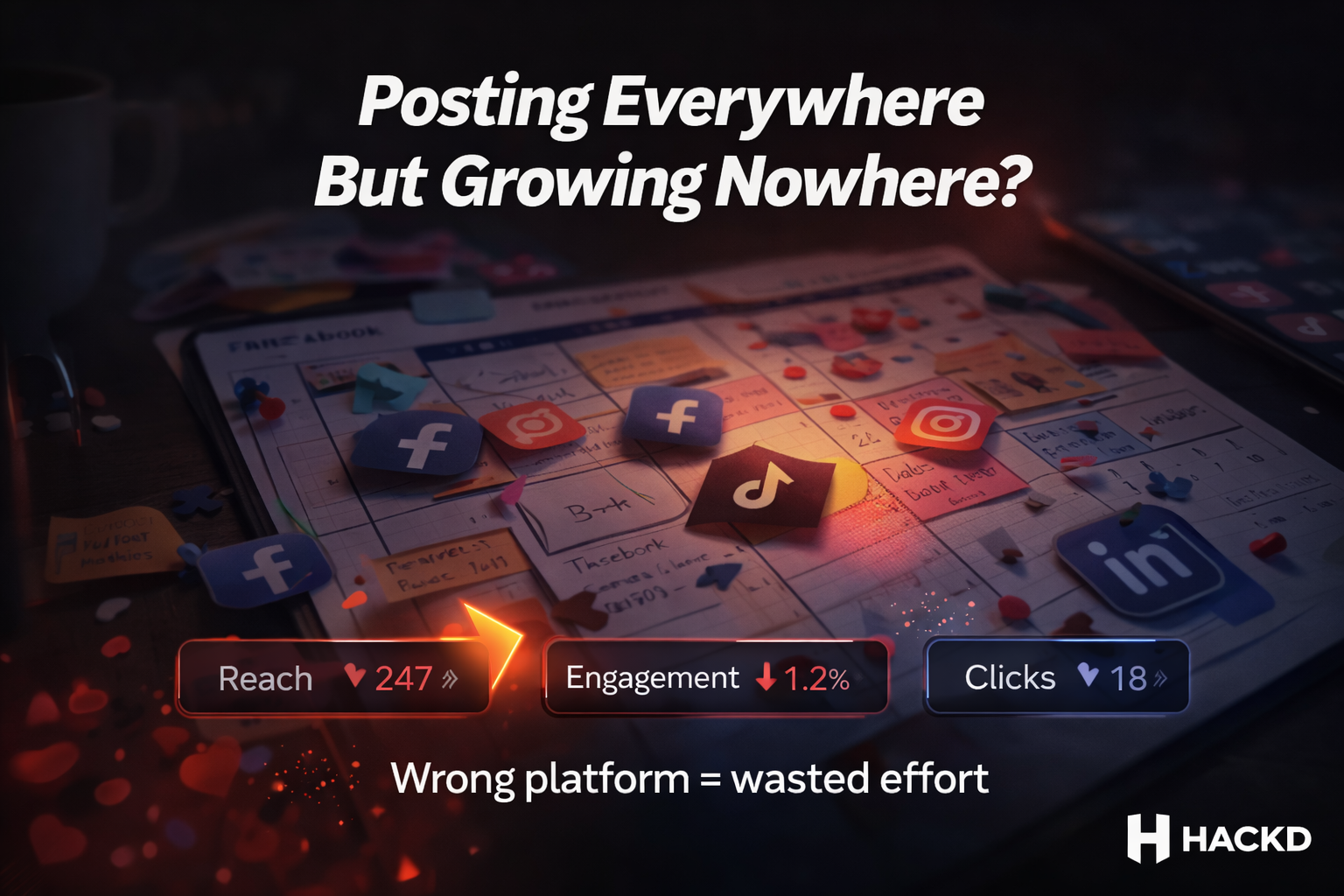
Choosing the right platform is not about presence. It directly impacts reach, conversions, and how efficiently your marketing budget turns into revenue.
Every social media platform attracts a different type of audience. When your business aligns with the right platform, your content reaches people who are more likely to engage, enquire, and convert. When there is a mismatch, even strong content struggles to perform because it is shown to the wrong audience.
Content performance is also heavily influenced by platform selection. What works on TikTok may fail on LinkedIn, while long-form educational content may thrive on YouTube but underperform on Instagram. Matching your content style to platform strengths ensures your efforts translate into measurable engagement.
Cost efficiency becomes a major factor, especially when running paid campaigns. Platforms differ in advertising costs, targeting capabilities, and conversion potential. Investing in the wrong channel leads to higher costs with lower returns, while the right platform improves efficiency and maximises return on investment.
From a growth perspective, platform choice is not a tactical decision. It is part of a broader system that connects audience targeting, content strategy, and performance optimisation. When structured correctly, social media becomes a predictable growth channel rather than an unpredictable marketing expense.
How Social Media Platforms Work for Businesses
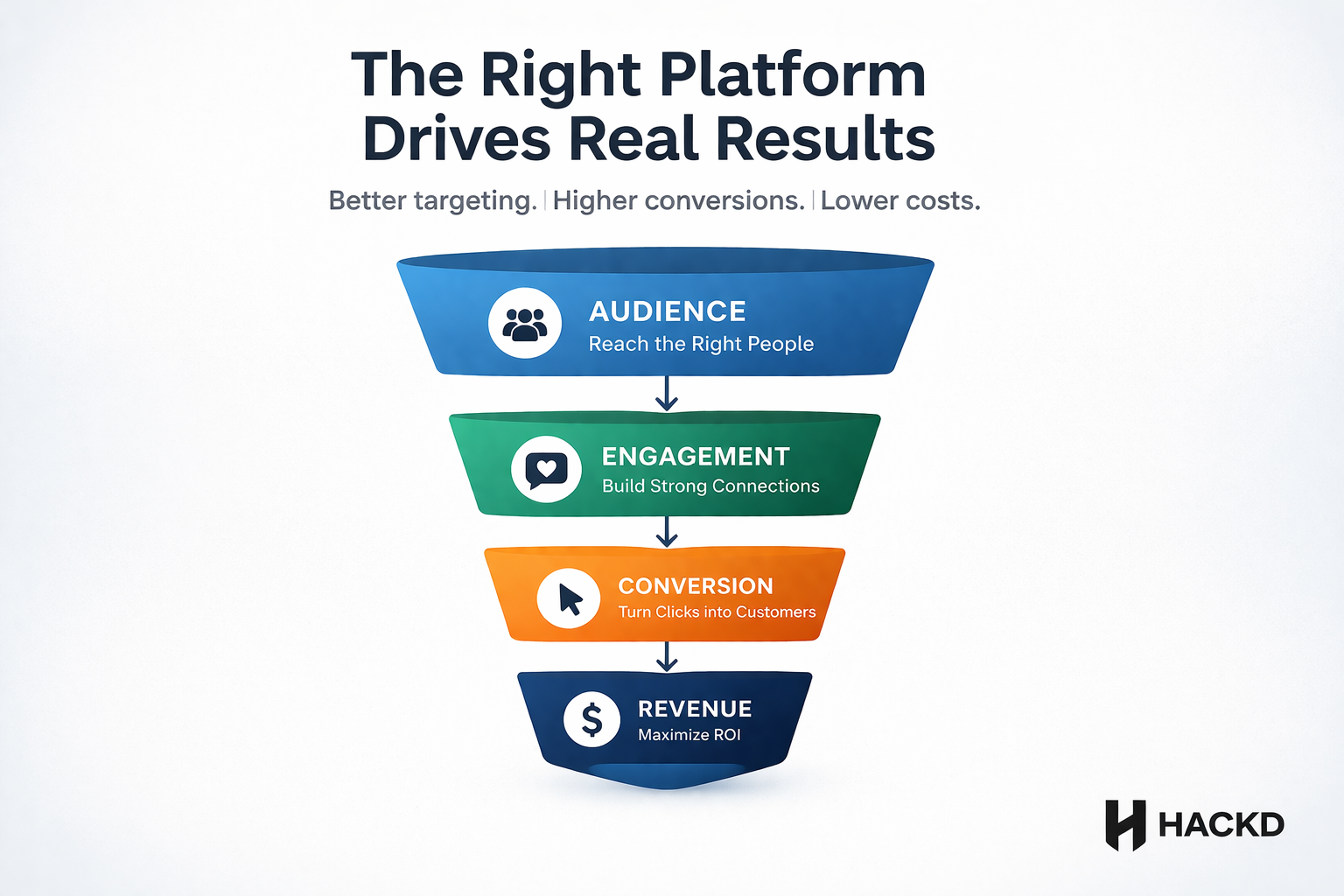
Each platform operates differently behind the scenes. Understanding how content is distributed, who it reaches, and how it drives results is key to making the right strategic decisions.
Audience Targeting and Reach
Social media platforms use algorithms to determine who sees your content based on behaviour, interests, and engagement patterns. Businesses can target specific demographics, locations, and user behaviours to ensure content reaches the most relevant audience. This precision improves visibility among potential customers rather than broad, unfocused exposure.
Content Distribution and Engagement
Each platform prioritises different content formats, which directly affects how posts are distributed. Short-form video dominates platforms like TikTok and Instagram, while professional insights perform better on LinkedIn. Engagement signals such as likes, comments, shares, and watch time influence how widely content is shown, making quality and relevance critical.
Conversion Pathways and Sales Funnels
Social media is not only for visibility. It plays a key role in guiding users through the buyer journey. From awareness to consideration and conversion, platforms support different stages through content, ads, and calls to action. Businesses that structure clear pathways can turn engagement into leads and sales.
Data Tracking and Optimisation
Performance data is continuously collected across platforms, allowing businesses to measure results and refine strategies. Metrics such as reach, engagement, clicks, and conversions provide insights into what works. When analysed correctly, this data enables ongoing optimisation, improving efficiency and driving consistent growth over time.
Key Social Media Platforms for Businesses (Comparison Guide)
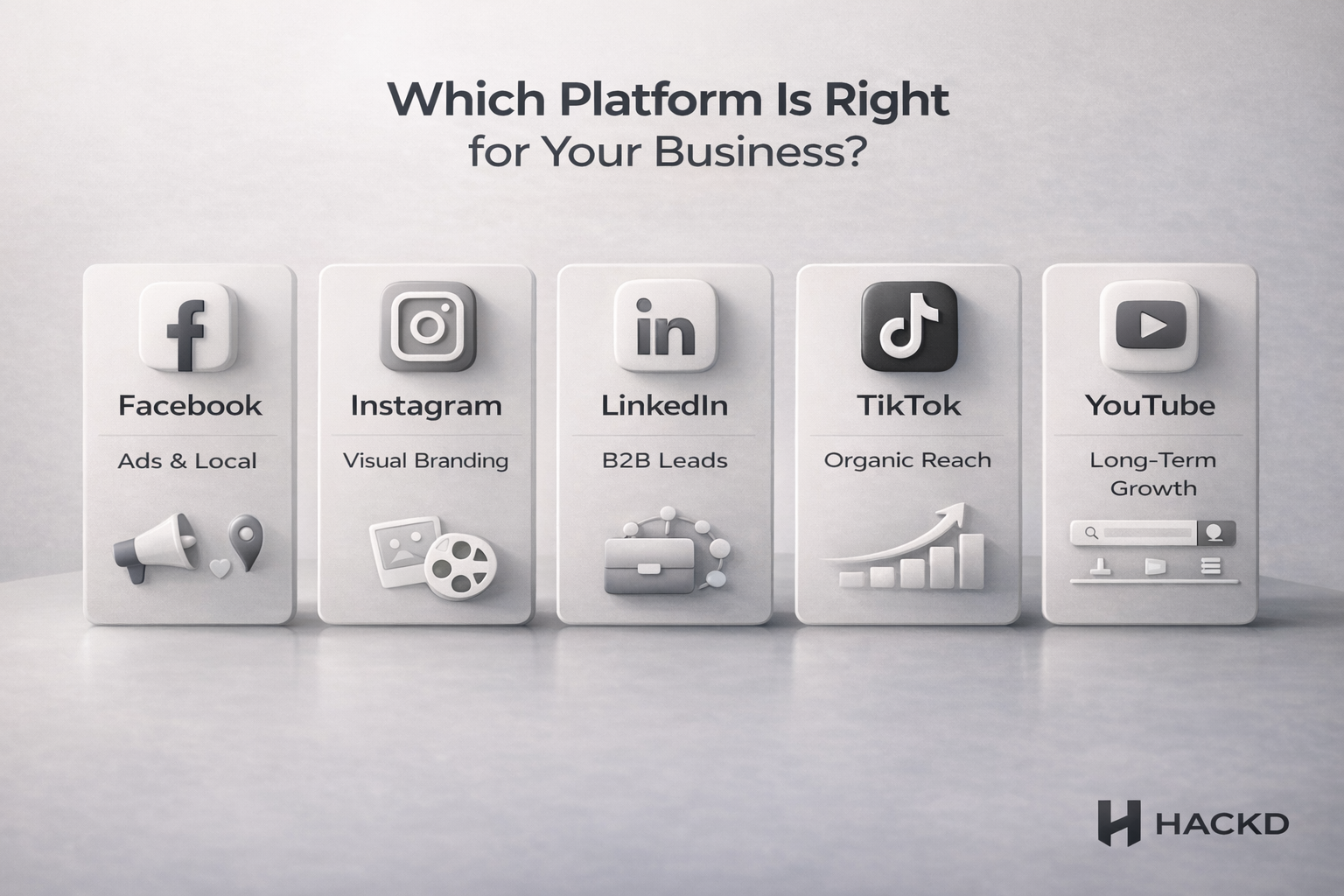
Each platform serves a different purpose. Understanding strengths, audiences, and content formats helps businesses invest where results are most likely.
1. Facebook for Community Building and Ads
Facebook remains one of the most versatile platforms for businesses due to its broad user base and advanced advertising capabilities. It is particularly effective for local businesses, service providers, and brands targeting diverse age groups. With detailed targeting options and retargeting features, businesses can build communities while driving consistent conversions through paid campaigns.
2. Instagram for Visual Branding and Engagement
Instagram is built around visual content, making it ideal for brands that rely on aesthetics, storytelling, and lifestyle positioning. Features such as Reels and Stories offer strong organic reach when used consistently. Businesses that focus on high-quality visuals and short-form video content can build strong engagement and brand recognition over time.
3. LinkedIn for B2B Growth and Authority
LinkedIn is the leading platform for professional networking and B2B marketing. It is highly effective for service-based businesses, agencies, and companies targeting decision-makers. Sharing insights, case studies, and industry knowledge helps establish authority while generating qualified leads through organic content and targeted advertising.
4. TikTok for Rapid Organic Growth
TikTok’s algorithm prioritises content discovery, allowing businesses to reach large audiences without an existing following. It is best suited for brands willing to adopt creative, authentic, and fast-paced content styles. Businesses that understand trends and audience behaviour can achieve rapid visibility and engagement at a lower cost.
5. YouTube for Long-Form Authority Content
YouTube combines the power of search and video, making it a strong platform for long-term growth. It is ideal for educational content, tutorials, and in-depth explanations that build trust and authority. Unlike short-lived posts, YouTube content continues to generate traffic and leads over time, supporting sustained visibility.
Comparison Table: Best Social Media Platforms for Businesses
Each platform offers different strengths, and the right choice depends on how well it aligns with your audience and business objectives. Businesses that understand these differences can allocate resources more effectively, focusing on channels that deliver measurable results rather than spreading efforts too thin.
How to Choose the Right Social Media Platforms for Your Business
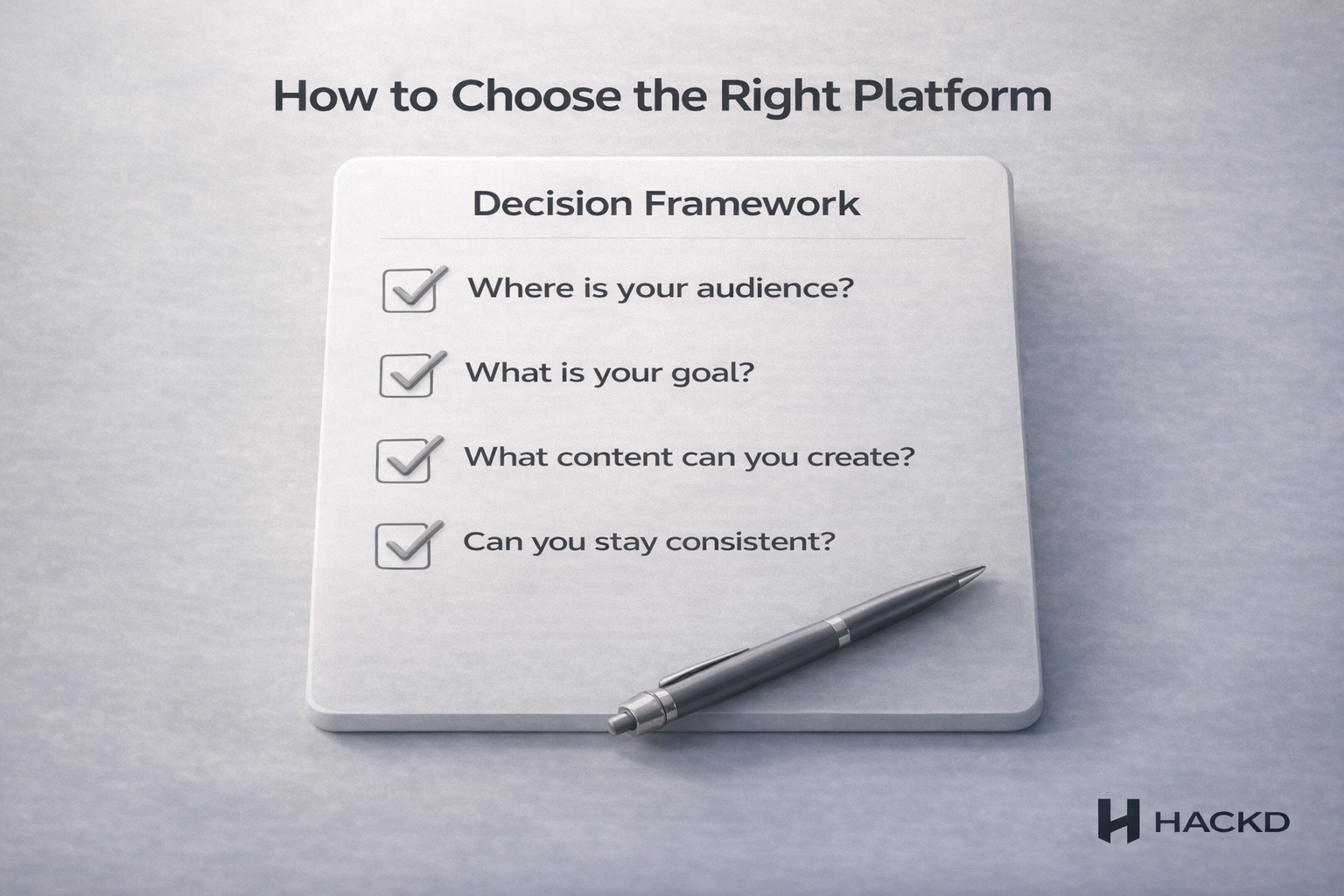
The best platform is not the most popular one. It is the one that aligns with your audience, goals, and ability to execute consistently.
Identify Your Target Audience
Every effective decision starts with understanding who you are trying to reach. Different platforms attract different demographics, behaviours, and intent levels. Analysing factors such as age, profession, interests, and online habits helps narrow down where your audience is most active and receptive to your content.
Define Your Business Goals
Clear objectives determine which platform will deliver the best results. Businesses focused on brand awareness may benefit from high-reach platforms like TikTok or Instagram, while those prioritising lead generation and conversions often perform better on LinkedIn or Facebook. Aligning platform choice with goals ensures measurable outcomes.
Match Content Type to Platform Strength
Content format plays a critical role in performance. Video-first platforms reward engaging short-form content, while others favour educational or written insights. Choosing platforms that support your strongest content type increases consistency and improves overall engagement.
Assess Resources and Consistency
Sustained performance requires time, effort, and resources. Managing multiple platforms without the capacity to maintain quality often leads to inconsistent results. Focusing on fewer platforms and executing well is more effective than spreading efforts too thin.
Test and Optimise Performance
No strategy is complete without testing. Monitoring performance data across selected platforms allows businesses to identify what works and refine their approach. Continuous optimisation ensures resources are directed toward channels that generate the highest return.
Common Mistakes Businesses Make When Choosing Social Media Platforms
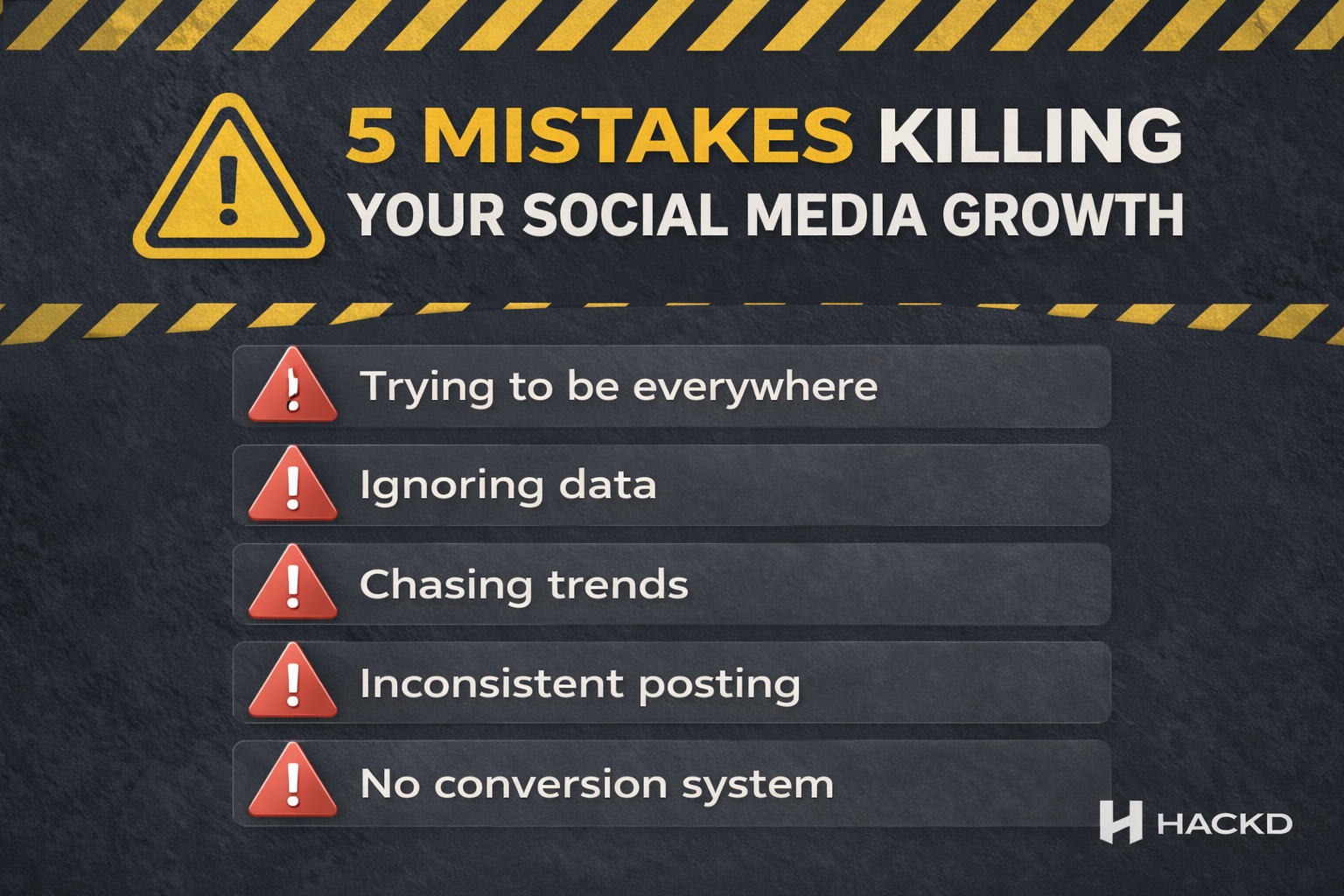
Many businesses fail on social media not because platforms do not work, but because their strategy lacks clarity, focus, and execution discipline.
- Trying to be everywhere: Spreading efforts across too many platforms leads to inconsistent content, weak engagement, and diluted results instead of focused growth.
- Ignoring data and audience insights: Choosing platforms based on trends or competitors rather than real audience behaviour limits performance and targeting accuracy.
- Following trends without strategy: Jumping on trends may increase short-term visibility, but without alignment to goals, it rarely drives meaningful engagement or conversions.
- Inconsistent posting and execution: Irregular activity reduces reach and weakens audience trust, making it harder to build momentum over time.
- No clear conversion pathway: Without defined calls to action, landing pages, or lead systems, engagement does not translate into measurable business outcomes.
How Hackd Growth Helps Businesses Choose and Scale Social Media Platforms
Choosing the right platforms is only the starting point. Real growth comes from building structured systems that connect audience targeting, content creation, and performance tracking into one cohesive strategy. This is where most businesses struggle, and where Hackd Growth provides a clear advantage.
Hackd Growth approaches social media as part of a broader growth engine rather than an isolated channel. Platform selection is guided by data, ensuring each channel aligns with business goals, audience behaviour, and revenue potential. This removes guesswork and allows businesses to focus on platforms that deliver measurable outcomes.
Content systems are then developed to match each platform’s strengths. Instead of random posting, businesses operate with clear frameworks that support consistency, engagement, and scalability. Paid and organic strategies are integrated to maximise reach while maintaining cost efficiency.
Performance is continuously tracked and optimised using data-driven insights. By analysing what works and refining campaigns over time, Hackd Growth helps businesses turn social media into a predictable and scalable growth channel that drives real results.
The Future of Social Media for Business Growth
Social media is evolving from content platforms into full business ecosystems where discovery, engagement, and transactions happen in one place.
Platforms are increasingly driven by artificial intelligence, shaping what users see based on behaviour rather than who they follow. This shift creates more opportunities for businesses to reach new audiences, but it also raises the standard for content quality and relevance.
Social commerce continues to grow, allowing users to discover and purchase products without leaving the platform. Features such as in-app shopping, direct messaging, and integrated payment systems are shortening the path from interest to conversion.
Video content is becoming the dominant format across nearly all platforms. Short-form video drives rapid engagement, while long-form content builds authority and trust. Businesses that adapt to this shift can maintain visibility and relevance in competitive markets.
Data and personalisation are also becoming more advanced. Platforms now offer deeper insights into audience behaviour, enabling more precise targeting and optimisation. Businesses that use this data effectively will gain a significant advantage in reaching and converting the right audience.
Choosing the Right Social Media Platforms for Your Business Strategy
Choosing the right social media platforms is about aligning your audience, goals, and content with channels that deliver measurable results. A focused approach improves consistency, engagement, and overall performance while reducing wasted effort. When supported by data and structured execution, social media becomes a reliable growth channel rather than guesswork.
If your business wants to build a strategy that drives real results, Hackd Growth can help you identify the right platforms and implement systems that scale performance.
FAQs
1. What are the best social media platforms for businesses?
The best social media platforms for businesses depend on goals and audience. Facebook and Instagram work well for B2C brands, LinkedIn is ideal for B2B, TikTok supports rapid organic reach, and YouTube builds long-term authority. The right choice aligns with where your audience spends time and how they consume content.
2. Which social media platform is best for small businesses?
Small businesses often benefit from platforms like Facebook and Instagram due to their broad reach and accessible advertising tools. Local businesses can leverage Facebook for community engagement, while Instagram helps with visual branding. The key is focusing on one or two platforms and maintaining consistency.
3. How do I choose the right social media platform?
Choosing the right platform involves understanding your audience, defining your goals, and matching your content style to platform strengths. Businesses should analyse where their audience is most active, test performance, and refine their strategy based on measurable results rather than assumptions.
4. Is it better to focus on one platform or multiple?
Focusing on one or two platforms is usually more effective than trying to be everywhere. Concentrating efforts allows businesses to maintain quality, consistency, and stronger engagement. Once performance improves, additional platforms can be added strategically.
5. Which platform gives the highest ROI for businesses?
There is no single platform that guarantees the highest ROI. Results depend on strategy, audience alignment, and execution. However, platforms like Facebook and LinkedIn often deliver strong ROI due to advanced targeting and conversion-focused features when used effectively.